Yaa Asantewaa: The Warrior Queen Who Defied an Empire
Contributor
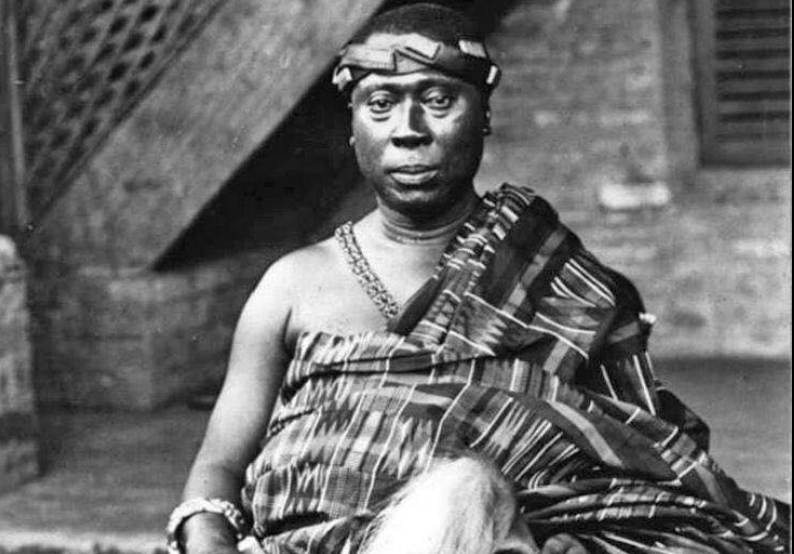
The Warrior Queen Who Defied an Empire
Yaa Asantewaa, whose name means "born on Thursday" in Twi, stands as one of Africa's most remarkable leaders and a beacon of resistance against colonial oppression. As the Queen Mother of Ejisu in the Ashanti Kingdom, she demonstrated extraordinary courage, strategic wisdom, and unwavering commitment to her people's freedom during one of the most critical moments in African history.
Early Life and Heritage
Born around 1840 in the Ejisu division of the Ashanti Kingdom (present-day Ghana), Yaa Asantewaa was raised in a culture of honor, duty, and resilience. The Ashanti Kingdom, known for its sophisticated governance system and powerful military traditions, shaped her worldview. As a Queen Mother, she occupied one of the highest positions of authority in Ashanti society—a role that gave her significant influence in matters of state, succession, and the welfare of her people.
The position of Queen Mother was not merely ceremonial. She served as advisor to the Asantehemaa (paramount queen), participated in council decisions, and was custodian of the Golden Stool's symbolic power, the sacred emblem of Ashanti sovereignty and unity.
The Crisis: Colonial Pressure and the Threat to Independence
By the turn of the twentieth century, the British colonial administration was tightening its grip on the Ashanti people. The British Governor, Sir Frederick Hodgson, demanded that the Ashanti surrender their most sacred symbol—the Golden Stool—claiming it belonged to the British Crown. This demand was not merely about acquiring an artifact; it represented an attempt to fundamentally demoralize the Ashanti people and assert complete colonial dominance.
The traditional Ashanti leadership was aging and increasingly demoralized. Many believed resistance was futile against the superior weaponry of the British military. The atmosphere was one of resignation and despair.
The Legendary Speech: Igniting a Nation
In March 1900, at an advanced age (reportedly in her sixties), Yaa Asantewaa rose to address the assembled Ashanti nobles and warriors. Her words would echo through history:
"If you, the men of Ashanti, will not go forward, then we will. I shall call upon my fellow women. We will fight the white men until the last of us falls in the battlefields."
This speech was transformative. It shattered the paralysis of despair and reignited the spirit of the Ashanti people. Her moral authority—as a woman, as a queen mother, and as a voice of conscience—gave the words particular power. If the elderly queen mother was willing to fight, how could the able-bodied warriors refuse?
Her words mobilized the Ashanti people to launch the War of the Golden Stool (also known as the Ashanti Uprising or Yaa Asantewaa War) in 1900-1901—one of the most significant anti-colonial resistance movements in African history.
The War of the Golden Stool
Though ultimately unsuccessful in preventing British colonial rule, the Ashanti resistance under the inspiration of Yaa Asantewaa's leadership demonstrated remarkable courage and military strategy. The war lasted several years and resulted in significant casualties on both sides. The Ashanti people fought with determination to preserve their autonomy, their cultural practices, and their sacred traditions.
Yaa Asantewaa was exiled to the Seychelles in 1921 for her continued resistance to colonial authority, where she lived until her death in 1924. Even in exile, her spirit remained unbroken, and she continued to symbolize the Ashanti spirit of resistance.
Legacy: A Timeless Inspiration
The legacy of Yaa Asantewaa extends far beyond her lifetime. She is remembered as:
- A Champion of Freedom: She inspired an entire nation to resist oppression and stand up for their rights and sovereignty.
- A Powerful Female Leader: In an era when women's voices were often marginalized, she wielded her authority with wisdom and conviction, proving that leadership transcends gender.
- A Symbol of African Dignity: She refused to accept subjugation and demanded that her people maintain their pride and cultural identity.
- A Voice for Justice: Her famous speech remains a rallying cry for those fighting against inequality, colonialism, and injustice.
Relevance Today
In the 21st century, Yaa Asantewaa's story remains deeply relevant. She exemplifies several timeless principles:
Moral Courage: Standing up for what is right, even when facing overwhelming odds and powerful opposition.
Women's Leadership: Demonstrating that women are capable of strategic thinking, decisive action, and inspiring entire nations. Her example continues to inspire women across Africa and the world to claim their rightful place in leadership.
Cultural Pride: Refusing to surrender one's identity and values in the face of external pressure. In a globalized world, her commitment to preserving Ashanti culture reminds us of the importance of honoring our heritage.
Collective Action: Understanding that significant change requires unity, sacrifice, and the participation of entire communities, not just individual heroism.
Yaa Asantewaa at Yaa Asantewaa Renaissance Festival
This organization is proudly named after this towering figure of African history. In celebrating the name of Yaa Asantewaa, we commit ourselves to the values she embodied: courage, dignity, cultural pride, and the pursuit of justice and equity. Her story reminds us that resistance to injustice is possible, that women's voices matter, and that the fight for a more just and equitable world is one worth undertaking.
As we work to address contemporary challenges—poverty, inequality, lack of access to education—we draw inspiration from Yaa Asantewaa's unwavering determination and her faith in the power of collective action. Her legacy is not merely historical; it is a living testament to the potential of African people to shape their own destinies and contribute meaningfully to the progress of humanity.
Conclusion
Yaa Asantewaa was not born into a position of international prominence, nor did she have the resources of a global movement behind her. Yet through her courage, moral clarity, and ability to inspire others, she became one of the most significant figures in African history. Her life teaches us that greatness is not determined by the circumstances of one's birth, but by the courage of one's convictions and the willingness to sacrifice for what is right.
In honoring Yaa Asantewaa, we honor all those who have fought for freedom, dignity, and justice. Her spirit continues to live in the hearts of those who struggle for a better world.
Passionate about making a difference in communities across Africa.